
Crowns vs Bridges: 6 Key Differences Dentists Must Know
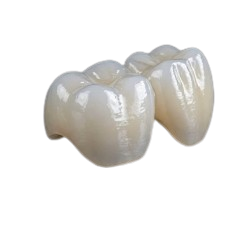
As dental professionals, it’s crucial to understand the distinct purposes, benefits, and procedures associated with dental crowns and dental bridges. While both are vital components of restorative dentistry, they serve different roles depending on the patient’s needs. This guide highlights the top six key differences between dental crowns and bridges, providing you with detailed insights to help make informed decisions for your patients.
At Palm Beach Smile Design Lab, we specialize in advanced digital dental restorations, providing highly precise crowns and bridges designed to optimize both functionality and aesthetics. In this comprehensive article, we’ll walk you through the key factors that set dental crowns and bridges apart, empowering you with the knowledge needed to recommend the right solution for your patients.
1. Purpose and Function: Restoring a Tooth vs. Replacing Missing Teeth
Understanding the primary purpose of dental crowns and bridges is the first step in determining which treatment is best suited to your patient’s needs.
Dental Crowns
A dental crown is essentially a cap placed over a tooth that is cracked, decayed, or weakened by injury or disease. The crown restores the tooth’s size, shape, and strength, offering protection and preventing further damage. Crowns are often necessary after procedures like root canals, where the tooth becomes fragile and needs extra support.
Dental Bridges
Dental bridges are designed to replace missing teeth by filling the gap left behind. A bridge is anchored onto the adjacent natural teeth or dental implants, effectively “bridging” the space where teeth are missing. This restoration prevents the remaining teeth from shifting and maintains the integrity of the bite and overall dental alignment.
Key Difference:
- Crowns: Primarily used to restore a damaged or weakened tooth.
- Bridges: Used to replace missing teeth and fill in the gaps.
2. Structure and Components: Single Restoration vs. Multiple Units
The structure of dental crowns and bridges is where the key distinction lies.
Dental Crowns
A crown is a single-unit restoration that covers the entire tooth. It’s essentially a “cap” that is custom-made to fit snugly over a damaged tooth, restoring its shape, function, and appearance. Crowns can be made from materials like porcelain, ceramic, metal, or resin, depending on the tooth’s location and the patient’s needs.
Dental Bridges
A bridge consists of multiple units:
- Supporting crowns: Placed over the healthy teeth on either side of the gap.
- Pontics (false teeth): The teeth that fill the gap created by the missing tooth or teeth.
The supporting crowns anchor the bridge, and the pontics restore the functionality of the missing teeth. The procedure typically requires more preparation and adjustment than a crown, as it involves multiple components.
Key Difference:
- Crowns: A single-unit restoration for one tooth.
- Bridges: A multi-unit restoration that replaces multiple teeth.
3. Materials Used: Aesthetic and Functional Considerations
Both crowns and bridges can be crafted from various materials, but the choice depends on factors such as aesthetic requirements, location in the mouth, and functional needs.
Dental Crowns
- Porcelain and Ceramic Crowns: These are highly aesthetic materials that match the natural color and translucency of teeth, making them ideal for front teeth.
- Metal Crowns: Made from gold alloys or other metals, these crowns are extremely durable and are often used for back teeth where strength is more important than appearance.
- Resin Crowns: These are more affordable but are less durable than porcelain or metal crowns.
Dental Bridges
Like crowns, bridges are made from similar materials. The porcelain-fused-to-metal bridges combine the strength of metal with the aesthetic appeal of porcelain. All-porcelain bridges are available for those seeking the most natural look, but these tend to be less durable than metal-based bridges.
Key Difference:
- Crowns: Available in materials such as ceramic, porcelain, metal, and resin based on aesthetics and strength.
- Bridges: Typically use porcelain-fused-to-metal or all-porcelain, with strength and aesthetics being considered for the multiple components.
4. Procedure and Preparation: Tooth Shaping vs. Adjacent Teeth Preparation
The procedures for placing crowns and bridges involve different preparation steps.
Dental Crowns
To place a dental crown, the dentist must reshape the tooth to fit the crown. The process typically involves:
- Reshaping the Tooth: The affected tooth is filed down.
- Taking Impressions: Molds or digital scans are taken to ensure the custom-fit crown.
- Temporary Crown: A temporary crown is placed until the permanent one is ready.
Dental Bridges
A bridge procedure requires preparing two adjacent teeth to support the bridge. Steps for placing a bridge include:
- Preparing Adjacent Teeth: The supporting teeth are reshaped.
- Impressions: After reshaping, impressions are taken for the custom bridge.
- Temporary Bridge: A temporary bridge is placed during the waiting period for the permanent one.
The use of dental implants for support may require additional steps.
Key Difference:
- Crowns: Requires reshaping of one tooth for placement.
- Bridges: Involves reshaping two or more teeth, and may include the use of implants.
5. Longevity and Maintenance: Ensuring Long-Term Durability
Both crowns and bridges are designed for long-term use, but their durability is affected by maintenance and patient habits.
Dental Crowns
Dental crowns can last anywhere from 5 to 15 years, depending on the material and how well the patient maintains their oral hygiene. Regular brushing, flossing, and routine dental visits are crucial for ensuring the longevity of crowns.
Dental Bridges
Dental bridges also last between 5 and 15 years, but they require more maintenance. Specifically, the supporting teeth need to be kept healthy to prevent decay, and special cleaning around the pontics is necessary to avoid plaque buildup.
Key Difference:
- Crowns: Requires general maintenance and regular check-ups.
- Bridges: Requires additional care, especially around the supporting teeth and pontics.
6. Cost and Insurance Coverage: Budget Considerations for Crowns vs. Bridges
The cost of dental crowns and bridges can vary significantly based on the material chosen and the complexity of the procedure.
Dental Crowns
The cost of crowns typically ranges from $800 to $3,000 per tooth, depending on the material. Porcelain crowns tend to be more expensive, while metal crowns are often more affordable. Dental insurance plans usually cover part of the cost of crowns, though coverage can vary.
Dental Bridges
Bridges tend to be more expensive due to the additional components involved. The cost for bridges usually ranges from $2,000 to $5,000, with implant-supported bridges costing significantly more. Insurance coverage for bridges is similar to crowns but often requires patients to pay more out-of-pocket.
Key Difference:
- Crowns: Typically more affordable than bridges.
- Bridges: Higher cost due to the more complex procedure and multiple components.
How to Choose Between Dental Crowns and Dental Bridges for Your Patients
When selecting between dental crowns and bridges, consider the following factors:
- Single vs. Multiple Teeth: Crowns are ideal for single tooth restoration, while bridges are best for replacing multiple missing teeth.
- Adjacent Teeth Health: Healthy adjacent teeth are crucial for the success of a bridge.
- Budget and Insurance: Crowns are typically less expensive, but bridges offer long-term solutions for replacing missing teeth.
Consult with your patients to assess their specific needs and determine the most suitable treatment plan.
Conclusion: Make Informed Decisions for Optimal Patient Care
Understanding the top six key differences between dental crowns and dental bridges enables you to provide the best care for your patients. At Palm Beach Smile Design Lab, we leverage advanced digital technologies to craft high-quality crowns and bridges with precision, ensuring optimal fit and aesthetic appeal.
For more information on how we can help enhance your practice with state-of-the-art restorations, feel free to contact us today.
Follow Us On
Latest News

Member of